Thoughts on Habits (Part Three)

Thoughts on Habits (Part Three) | Lynnette Therese

How we spend our days is, of course, how we spend our lives.

Annie Dillard

This sentence by Annie Dillard makes me squirm every time I read it. This life is all we have. It’s made up of days and I want to use every one of them the best way that I can, doing things that are worthwhile, putting together a string of days that make up a live worth living. Since much of my day is habit-filled, it then follows that I should care about what I habitually do. And be ready to make non-routine decisions of life – well, with intention, and without fear – as they come. Continue reading “Thoughts on Habits (Part Three)”

Thoughts on Habits (Part Two)

This Psychology Today article by Chris Guillebeau brings to mind things of habit and energy and decision-making that I’ve been reading and writing about this semester. It’s entitled “Reducing Decisions to Focus Better” and starts off with part of a letter to artists from Robert Genn:

Choreographer Twyla Tharp’s Creative Habit, describes her morning routine of rising early and going through the same morning rituals; same coffee, same bun. She puts on the same leotards, goes down the same elevator to the same street corner, puts her arm up in the air and gets into the first cab that comes along.

By the time she gets to the studio she has made no significant decisions. Stepping out onto the dance floor, her dancers await. It’s eight in the morning and her first decision is yet to come. It will be a creative one.

We painters also need to save our decision-making for things of importance. “Don’t,” as they say, “sweat the small stuff.” I figure an average 11″ x 14″ uses up several hundred thousand decisions. Compound that over a day of painting and it’s in the millions. Even the small decisions in a painting, some of them so micro and seemingly insignificant, are the building blocks of what we are to become.

(emphasis mine)

Two responses: This makes so much sense. / Why I am I so bad at it? Continue reading “Thoughts on Habits (Part Two)”

Thoughts on Habits (Part One)

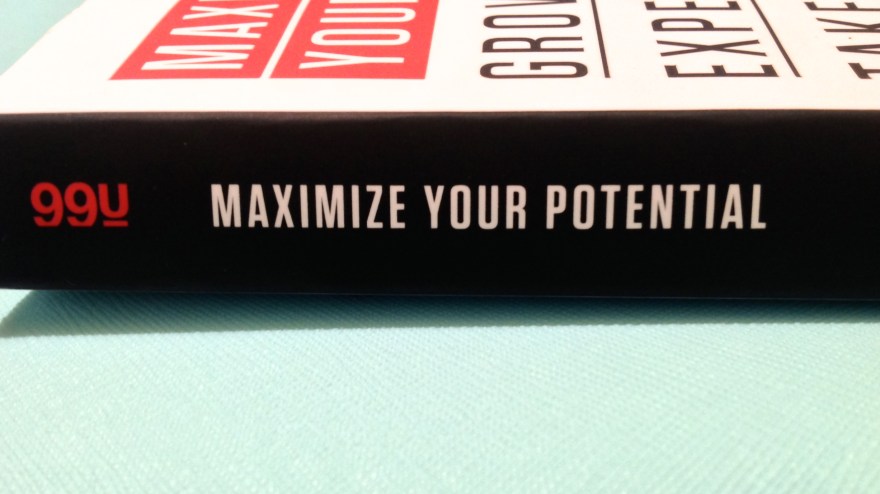
Over fall break, I read the book Maximize Your Potential. In the form of essays, Q&A’s, and famous quotes, it’s a collection of thoughts on how to be a creative professional in today’s world – in the best way possible.

Thoughts on Habits (Part One) | Lynnette Therese

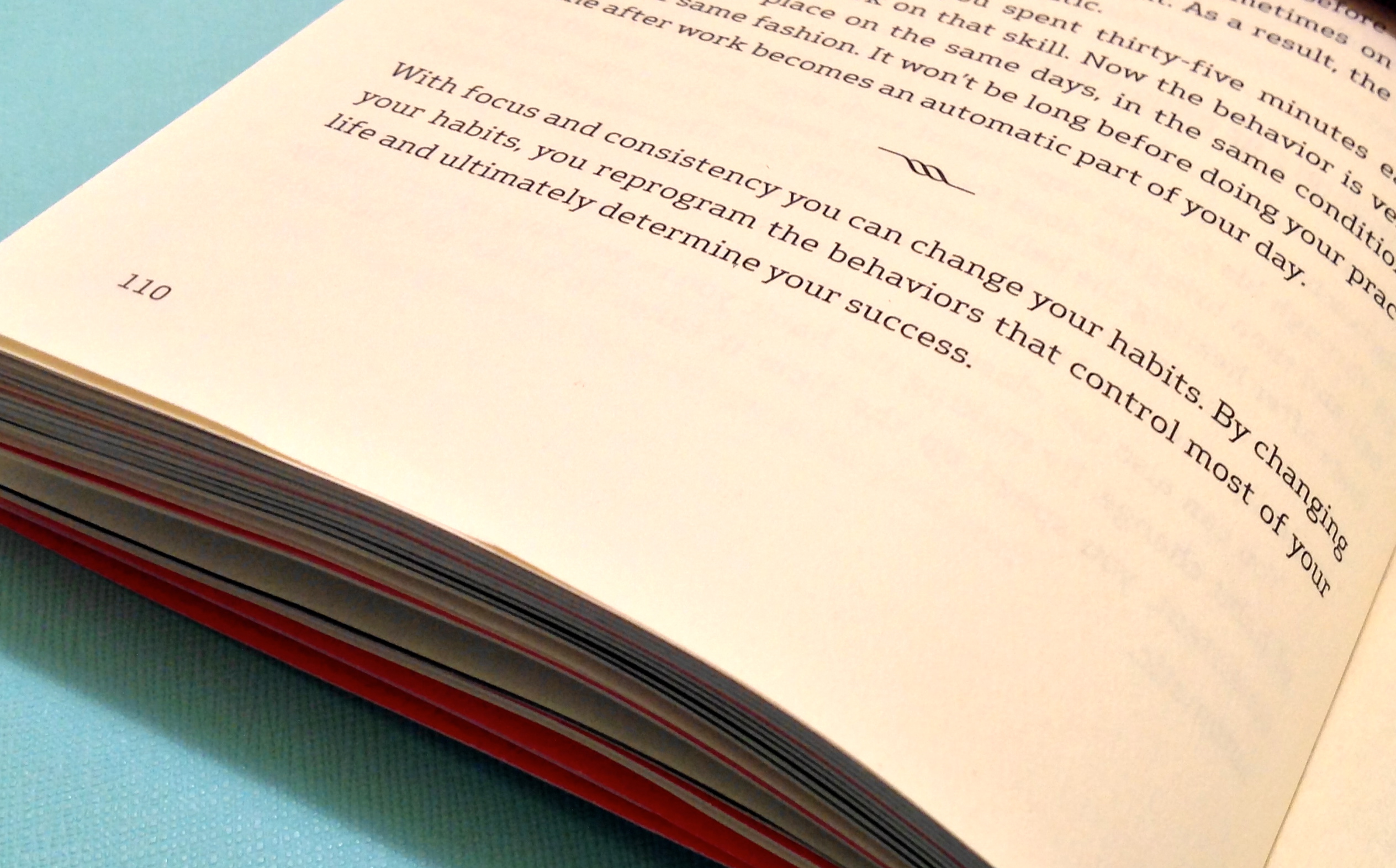
One essay in particular stuck with me: it’s entitled “Reprogramming Your Daily Habits” and was written by Scott Young. In it, he covers the topics of productivity, progress, and achieving goals.

His premise is that when we realize that willpower is not an infinite source of energy, forming good habits makes a lot more sense – it becomes crucial. If we can ‘automate’ certain basic behaviors, we have more energy to expend on things that are new, require more effort, or are more important to us. The two principles he suggests implementing when building habits are focus and consistency.

Thoughts on Habits (Part One) | Lynnette Therese

Focus

Young points out that many people, when deciding to make life changes, try to implement them all at once – only to sputter and fail after a few weeks. I’ve experienced this – many times – myself, and it is unendingly frustrating. He argues that this method depends entirely on willpower instead of harnessing the power of habit. How to fix the problem? Focus on constructing one habit at a time (Young suggests spending around a month before moving to the next habit). “Some people might see this approach as being prohibitively slow, but in practice, doing habits one month at a time is fast.” Making 12 life-improving habits (e.g. healthy sleeping habits, reading for pleasure, cutting back on excess internet time, exercising daily) a reality could (really) change your life over the course of a year. How’s that for food for thought?

Consistency

Principle #2 is to approach habit-building with consistency: “by making the habit you’re working on extremely consistent, you speed up the time it takes to make the behavior automatic.” Again, I see where I’ve done just the opposite (and failed to make lasting habits). It’s much easier, much more ‘convenient’ when workouts, reading time, or seven hours of sleep happen whenever I can fit them in. When I try to do so, however, it seems that more often than not this leads to things not fitting into my day – getting pushed to the next, and then the next… you get the picture: good intentions + lack of consistency = failed execution.

In summary:

  1. Habits are powerful.
  2. So, use them with intention.

I love goals and plans and big ideas. I have a lot of ideas about the way I’d like my life to look, and many of these ideas are not very well (or not at all) integrated into my ‘real life’. This essay was a helpful and instructive way for me to view the actions and thoughts I make (or keep from becoming) habits in my life.
Thoughts on Habits (Part One) | Lynnette Therese

Maximize Your Potential was edited by Jocelyn K. Glei for 99U. For more information, click here.

How softball made me who I am today.

How softball made me who I am today. | Lynnette Therese

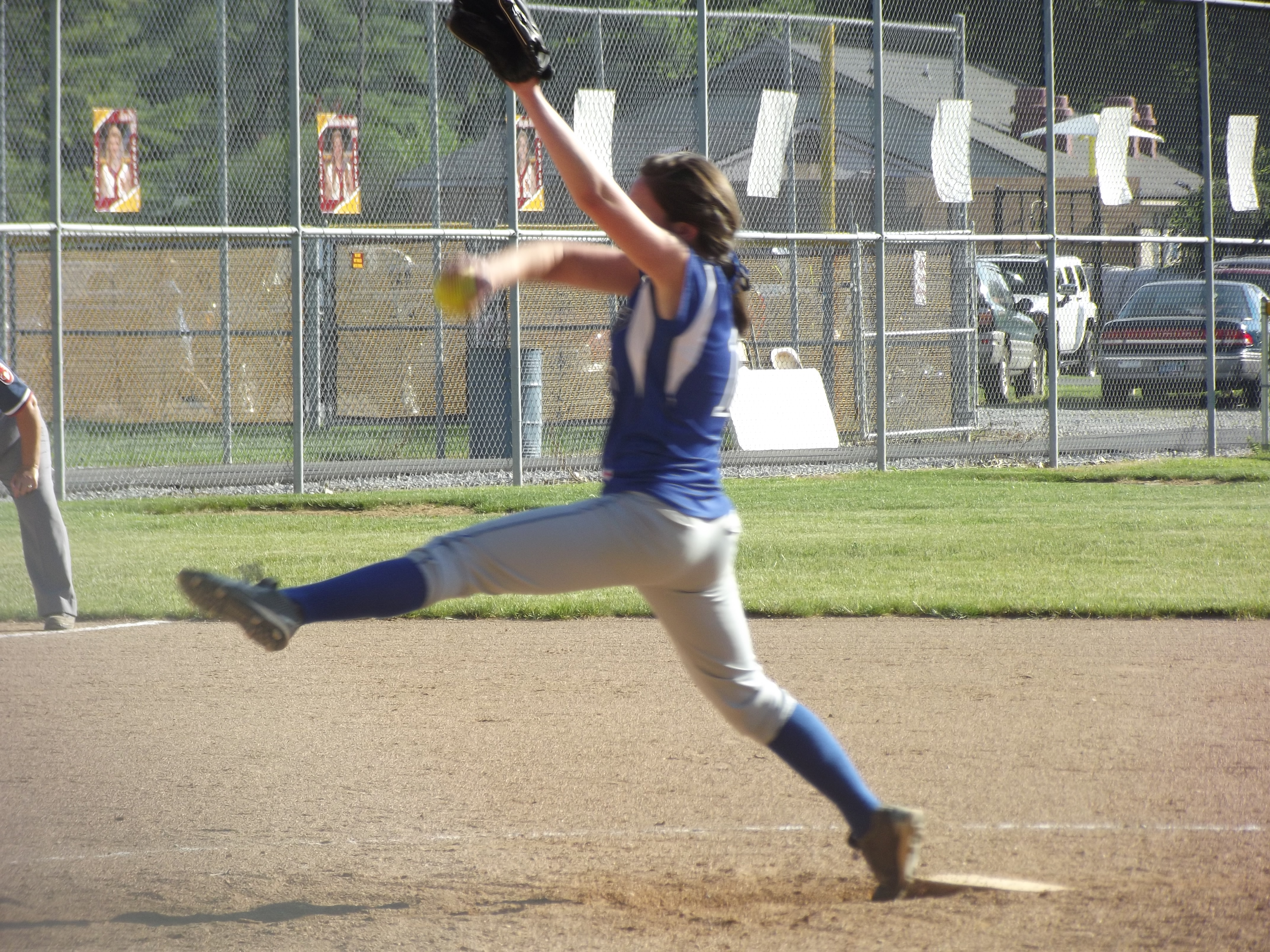
I played fastpitch softball from the time I was eight until I was eighteen. I’m only twenty years old now; those ten years were half my life. Parting ways with the sport has been one of my hardest breakups, and sometimes I wonder: what was the point? Why did I spend ten years getting good at something that would be over so soon? What is there to show for it?

  • I learned discipline and commitment. Which are not only important for people who end up being the best, but for me – being my best, and for anyone who will be part of a team (athletic, professional, or otherwise). Commitment is going to every optional practice and strength/conditioning workout, even when you don’t feel like it. Discipline is continuing to go even when no one else on your team does.
  • I learned how to lose (and how to win). With a few exceptions, I played for many teams that were… not quite dominant. I learned to play because I loved softball instead of loving softball because it was something I could win at. Sometimes you win at the things you love; sometimes you don’t and I think that’s ok. The ability to guarantee yourself a ‘win’ doing something isn’t necessarily a good reason to do it. There’s a difference between losing because you didn’t try hard enough, and losing because, that time, you came up short. I learned that I didn’t have to give up my drive to win or my competitive nature to be ok with losing – I just had to realize that my life is defined by something bigger than a win/loss record. (And I’m so thankful that it is!)
  • I learned how to be a loud (as-needed) introvert. I have always tended toward the quiet, but on the softball field, I could take command – yelling how many outs, where to throw the ball, calling off a teammate when I had a better angle on a fly ball than she did. For most girls I played with that was such a small, insignificant thing – a no-brainer, but for me it was a big deal. With time, like most things do, it became comfortable. Sometimes on the field, I’d realize I was yelling – in front of a lot of people – and it would always make me smile.
  • I learned to “believe in myself.” Playing collegiate softball is most young players’ dream; although professional softball does exist, today’s collegiate game is the height of most softball careers. I never believed that that could be me, until my sophomore year of high school when my coach told me that I had what it took – from that point on, I had the confidence that I could do it. And although I’m not still playing, it’s not because I wasn’t brave enough to pursue it and not because I wasn’t good enough. In the end, after talking with several coaches and evaluating college options, it wasn’t the right thing for me; but because someone believed in me and helped me to believe in myself, I was given the gift of choosing to walk away from softball instead of having to wonder for the rest of my life if I could have taken it to the next level.
  • I learned that these lessons continue to mean something even off the diamond. In high school, our coach gave all of us on the Varsity team a copy of this card. These were the basics, the things to get stuck in your head and keep you grounded during each game. I kept it in my bat bag all season, and today it’s stuck in a pocket of my planner. These bullet points were important for us as a softball team, and I’ve found that when I use softball as a metaphor for life, these are the things that I still struggle with and need to remember today.

How softball made me who I am today. | Lynnette Therese

I wrote this because sometimes I need to remind my hyperlogical self that just because being finished with something hurts, or because it ends without a traditionally “transferrable skill,” it doesn’t mean it wasn’t worth doing. No, I haven’t thrown any curveballs recently. My hands aren’t calloused anymore and the scars (and tan lines) on my knees are finally fading. My sprint speed isn’t anything near what it used to be, but it’s ok. All the work, the time, the sweat and tears I put into those things weren’t for naught. I wouldn’t be the me I am today without them.

Architecture | New York

During the fall of my freshman year at IUPUI, my instructor for Honors Intro to Business Administration offered an optional field trip to New York City covering “The Capital Raising Process.” It was a wonderful, once-in-a-lifetime experience I’m thankful to have had: among other things, we were able to participate in the opening bell ceremony at NASDAQ and talk with stock traders on the floor (!) of the New York Stock Exchange.

Architecture | New York | Lynnette Therese

Some of my friends and I flew out early to do the New York thing (Phantom of the Opera on Broadway, Ellis Island, Statue of Liberty, MoMA, 9/11 Memorial, Times Square, etc.) for a few days. There’s nothing quite like being an unchaperoned teenager in New York City to make you feel grown up and adventurous.

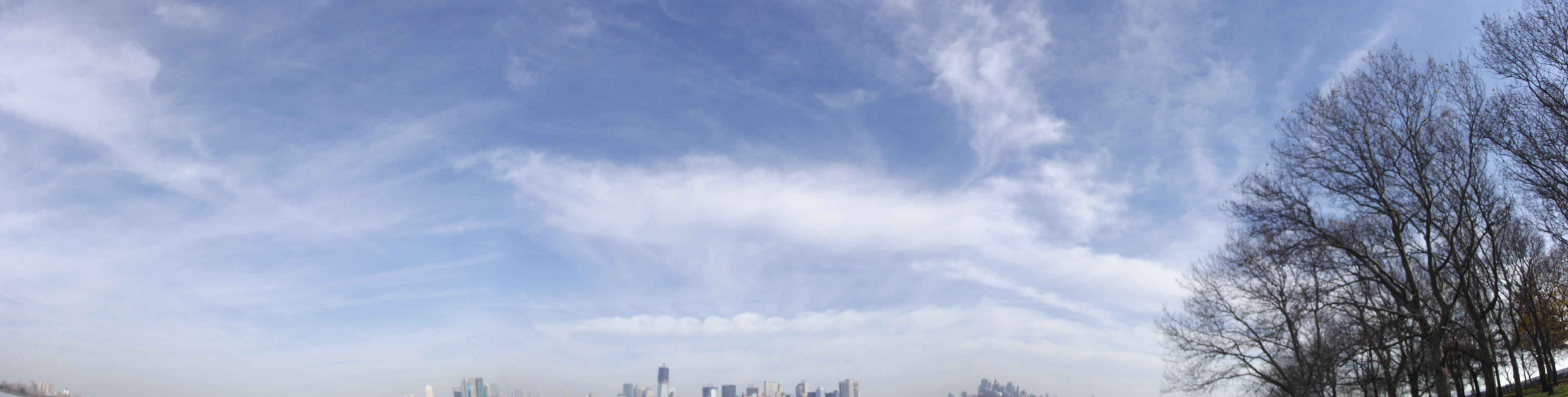
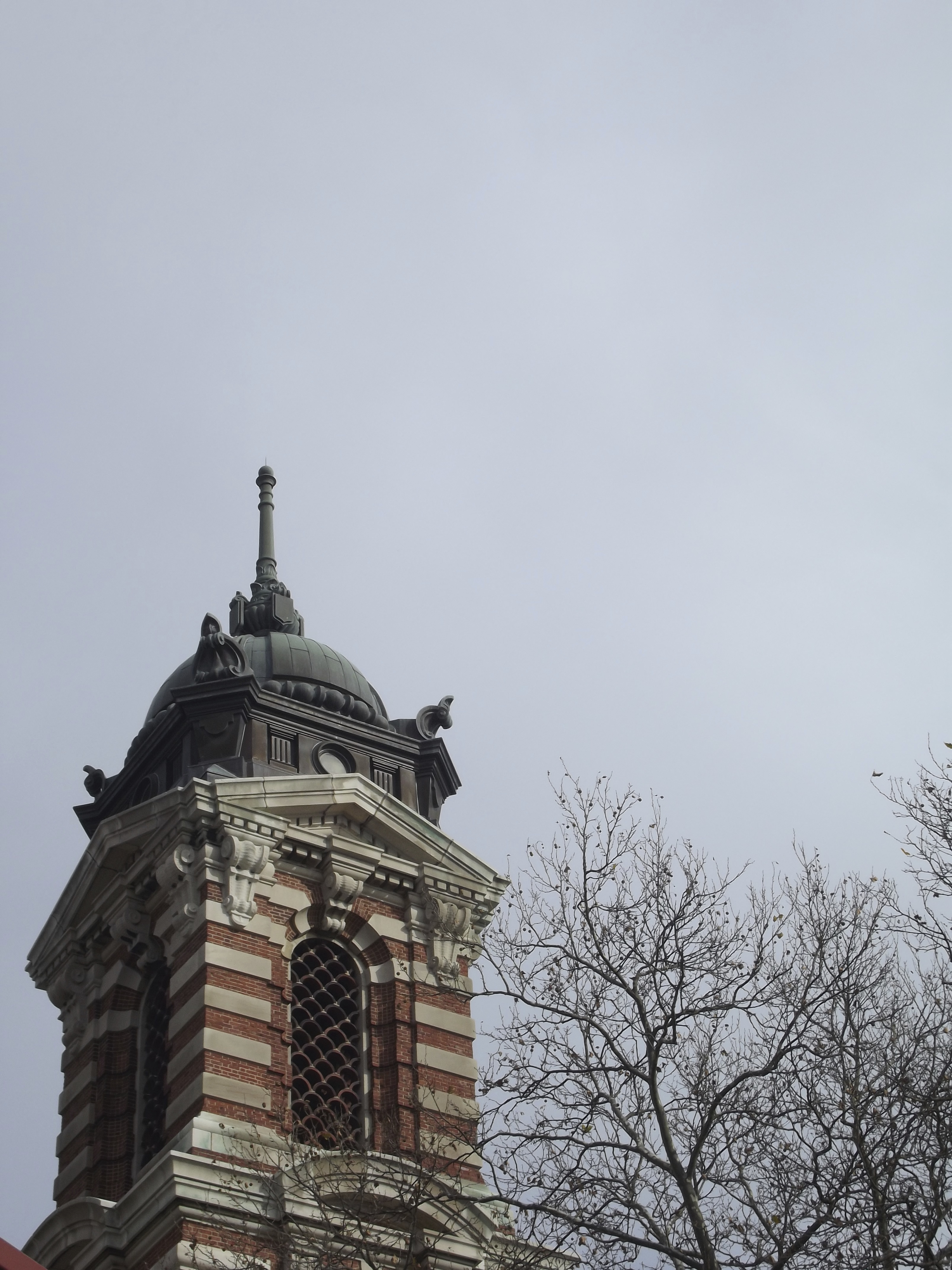
My favorite photographs from the trip are of the city’s architecture. Although there’s so much modernity happening in New York, it’s also one of our country’s eldest cities, and I think its architecture reflects this juxtaposition so beautifully.

Architecture | New York | Lynnette Therese

Architecture | New York | Lynnette Therese

Architecture | New York | Lynnette Therese

Architecture | New York | Lynnette Therese

Architecture | New York | Lynnette Therese

Architecture | New York | Lynnette Therese